
The Definitive Guide to Lab Worktop Materials: Ceramic, Epoxy Resin, or Phenolic Resin?
Overview
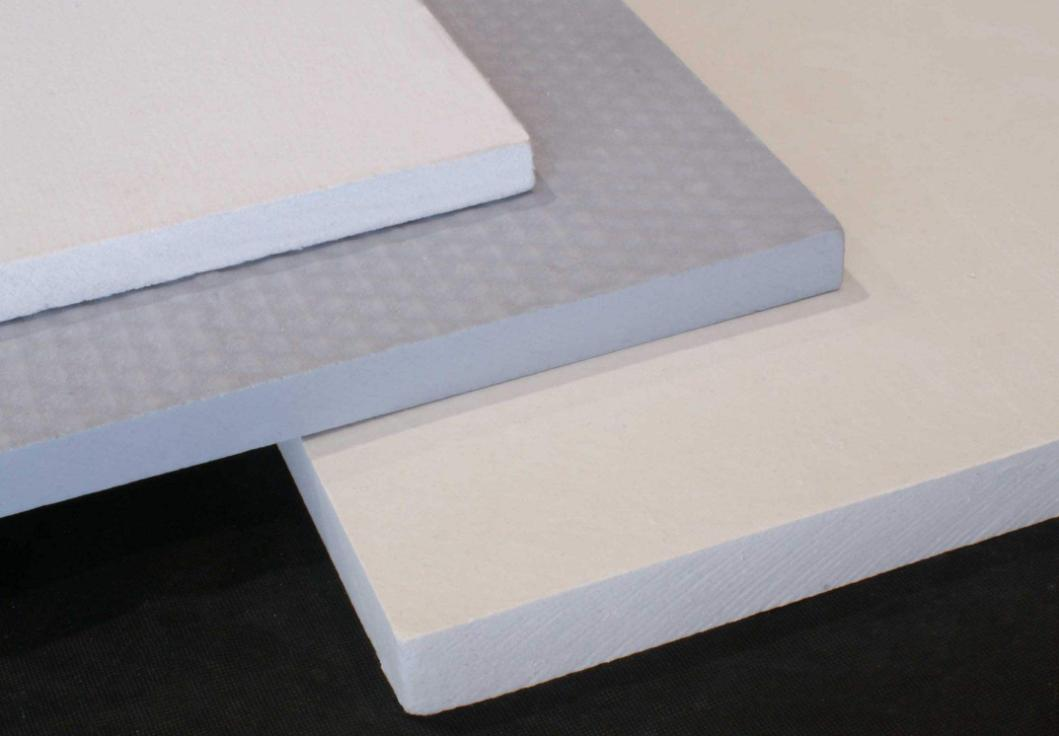
Choosing the right worktop is the most critical decision when outfitting a laboratory. The surface must withstand daily abuse from chemicals, heat, and physical impact while maintaining a safe and sterile environment.For international buyers, understanding the nuances between Ceramic, Epoxy Resin, and Phenolic Resin (Solid Physicochemical Board) is essential. Here is a technical breakdown of these three industry-standard materials to help you select the perfect foundation for your lab.
Phenolic Resin Worktop (Solid Physicochemical Board): The Versatile Performer
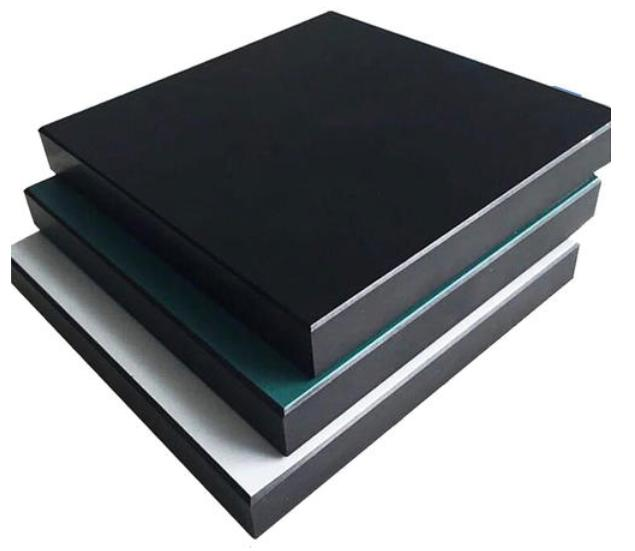
Composition: Kraft paper or wood fibers are fully saturated with phenolic resin, then compressed and hardened under high heat and pressure (a process known as thermosetting). Key Performance Metrics: Physical Durability: Offers excellent surface hardness, making it highly resistant to scratches, impacts, and general wear and tear. Moisture & Fire Resistance: It is completely waterproof and will not swell or delaminate when exposed to moisture. It is also self-extinguishing and meets stringent fire safety standards. Low Maintenance: The non-porous surface is smooth and easy to clean, requiring minimal upkeep to maintain a professional appearance. Best For: Educational laboratories (K-12, Universities), biological labs, and cleanrooms where moisture resistance and impact strength are required.
Ceramic Worktop: The Pinnacle of Durability
Composition: Crafted from a meticulous blend of kaolin, clay, porcelain stone, and mineral pigments. The mixture is fired at an intense 1250°C for extended periods, resulting in a vitrified, glass-like surface. Key Performance Metrics: Extreme Chemical Resistance: It is virtually impervious to chemicals. It resists attack from virtually all acids, alkalis, and organic solvents, with the sole exception of Hydrofluoric Acid (HF). Unmatched Thermal Endurance: Capable of withstanding direct flame and extreme temperatures up to 1550°C without cracking, blistering, or warping. It is the only standard material safe for direct contact with molten metals or hot crucibles. Longevity: The surface is harder than steel. It is highly scratch-resistant, non-porous, and UV-stable, ensuring it will not age, fade, or degrade over decades of use. Best For: High-temperature applications, muffle furnace areas, and labs handling aggressive inorganic chemicals.
Phenolic Resin Worktop (Solid Physicochemical Board): The Versatile Performer
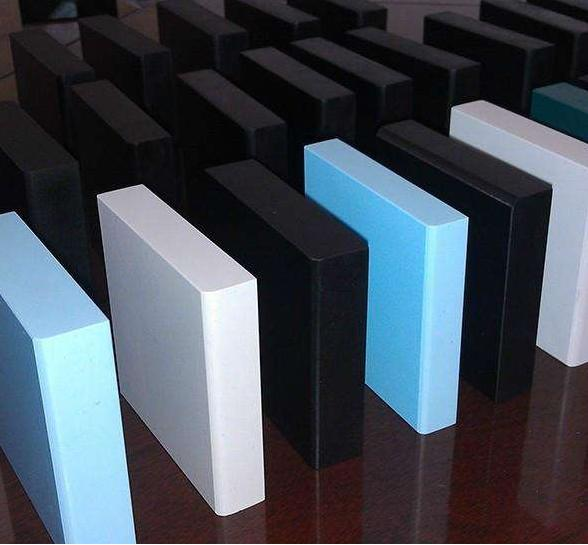
Composition: Kraft paper or wood fibers are fully saturated with phenolic resin, then compressed and hardened under high heat and pressure (a process known as thermosetting). Key Performance Metrics: Physical Durability: Offers excellent surface hardness, making it highly resistant to scratches, impacts, and general wear and tear. Moisture & Fire Resistance: It is completely waterproof and will not swell or delaminate when exposed to moisture. It is also self-extinguishing and meets stringent fire safety standards. Low Maintenance: The non-porous surface is smooth and easy to clean, requiring minimal upkeep to maintain a professional appearance. Best For: Educational laboratories (K-12, Universities), biological labs, and cleanrooms where moisture resistance and impact strength are required
How to Choose the Right Surface?
Choose Ceramic if your lab involves high-temperature processes (muffle furnaces, open flame) or highly corrosive inorganic chemicals. Choose Epoxy Resin if you require the highest level of chemical resistance combined with the ability to repair and restore the surface over time. It is the gold standard for professional research labs. Choose Phenolic Resin if you need a durable, cost-effective surface for educational settings, biological labs, or areas where moisture and impact resistance are more critical than extreme chemical handling. Why This Matters for Your Project Selecting the correct worktop material is not just about aesthetics; it is about safety compliance and total cost of ownership (TCO). By matching the material to your specific application, you ensure a safer working environment and a laboratory that stands the test of time.